


スイングバリアゲート: 種類, 仕様, ユースケース, そして『正しい選択の方法』
2026-03-17


スイングバリアゲートは、最も柔軟で美的に多用途なアクセスコントロールバリアの一つであり、広い車線のアクセシビリティが必要な施設にとって定番の解決策です, クリーン・モダンデザイン, または標準の改札機レーンに沿ったADA準拠の歩行者アクセス. 単一のロビー入口を指定する場合でも、複数車線のキャンパスチェックポイントを指定する場合でも, 種類を理解する, 技術仕様, そしてユースケースの違いこそが、良いインストールと長年問題を生むものを分けるものです.
このガイドは、作業原理や分類から特定の製品バリエーション、そして明確な選定枠組みまで、すべてを網羅しています.
スイングバリアゲートとは何か?
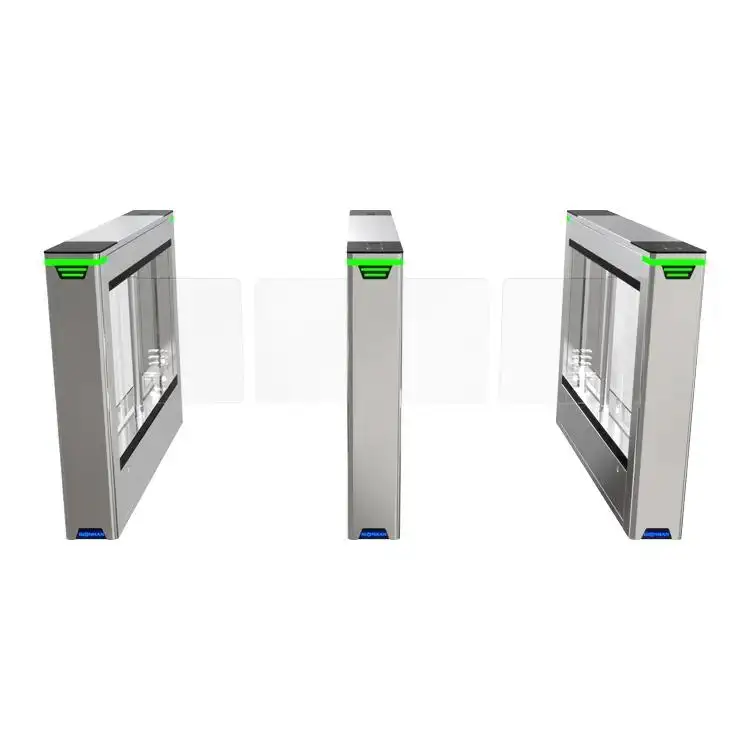
スイングバリアゲートは、防護壁が強化ガラス製の平らなパネルである歩行者アクセス制御システムです, ステンレススチール, またはアクリル製 — 有効な資格証が提示されると車線に対して垂直に開くスイング, その後、通過後に閉じたロック状態に戻る.
スイング運動は±90°弧を描きます. ロックされた状態で, パネルがレーンを完全に塞いでいます. 資格承認について, モーターがパネルを0.3〜0.5秒で開かせます. 人が通過した後、赤外線センサーアレイで検知され、パネルが後ろに回ってロックされます.
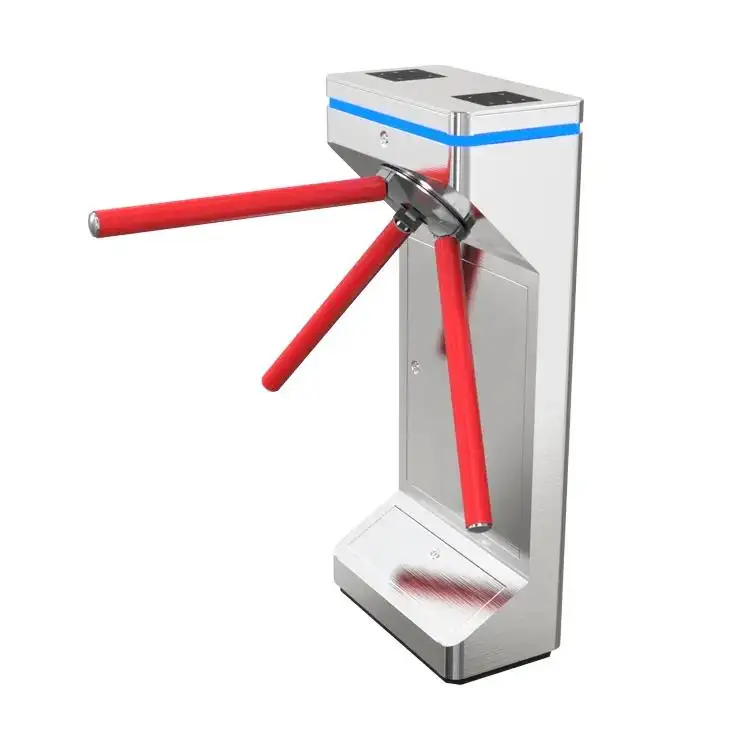
フラップターンスタイルとの主な操作上の違いはパネルの動きの方向です. フラップ式の改札機でパネルを格納しますに 内閣本体. スイングバリアゲートがパネルを揺らします外側 弧に沿って. これにより、スイングバリアゲートは通常550mmから1,500mmの広い車線開口部を受け入れることができ、車椅子アクセスとして自然な選択肢となります, 荷物カート, 自転車, 広大車線のプレミアムエントリーポイント.
スイングバリアゲートの仕組み
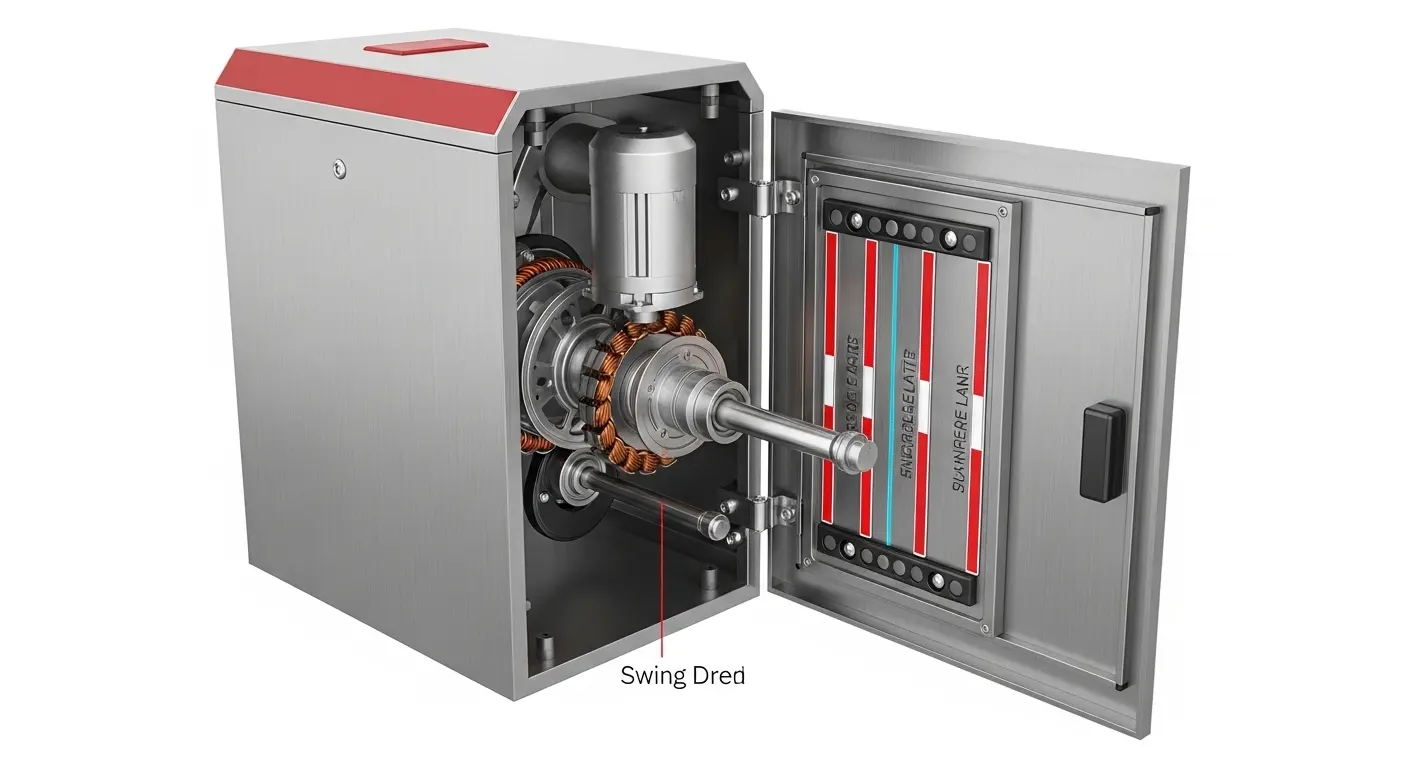
作戦手順は以下の通りです. ユーザーは認証情報を提示します — RFIDカード, QRコード, 指紋, またはフェイス — ゲートに組み込まれているか、隣接して取り付けられたリーダーに対して. リーダーはそれを検証し、ドライコンタクトまたはRS485信号をスイングバリアゲートの制御基板に送信します. ブラシレスモーターがバリアパネルを開かせて駆動します.
複数の赤外線センサーペア(商用グレードモデルでは通常6〜12ペア)が、サイクル全体を通じて通過ゾーンを監視します. それらは三つの機能を果たします:
- 通路検出: 再閉鎖を発動する前に、誰かが車線をクリアしたか確認してください
- アンチテールゲーティング検出: パネルが再び閉まる前に2人目の入室者が入った場合に警報を出します
- ピンチ防止: 閉鎖中に障害物が検出された場合は、直ちに停止してパネルを逆にしてください — 接触力を2kg未満に抑えてください
停電について, スイングバリアゲートはフェイルセーフモードに自動で開き、制限のない避難を可能にします, ほとんどの市場で火災安全建築基準に準拠しています.
スイングバリアゲートの種類
すべてのブランコバリアゲートがすべての環境に合うわけではありません. 主なバリアントの分類とそれぞれの位置を説明します.
標準スイングバリアゲート
基本の商業構成. SUS304ステンレス製キャビネット, 550–900mmレーン幅, ブラシレス直流モーター, および赤外線マルチビーム検出. 企業ロビー向けに, コワーキングスペース, およびトランジット環境, ザスイングバリアゲート すべてのコア要件をカバーし、通行可能な幅があります, 交通量の多い環境にも十分な速さ, そして高級な内装に十分な清潔感を兼ね備えています.
登攀防止スイングバリアゲート
標準的なスイングバリアは車線開口部の横通行を遮断します. しかし, 標準モデルのパネルの高さは通常900〜1,200mmに達し、パネルの上に物理的な隙間ができ、特定の個人が登ることができます. ひとつのアンチクライムスイングバリアゲート バリアパネルの高さを1,800mm以上まで拡張します, 床から天井までのフルハイト改札機のプロファイルを採用せずに、クライミングオーバーギャップを排除すること. その結果, 物理的なバイパス防止が重要だが、フルハイトハードウェアが正当化されない中〜高セキュリティ環境に適したソリューションです.
生体認証アンチクライミングスイングターンスタイル
物理的な登攀防止と認証レベルの本人確認の両方が必要な展開において, ある生体認証アンチクライミングスイングターンスタイル 拡張高さパネルと内蔵の指紋または顔認識リーダーを組み合わせています. この構成はデータセンターに適しています, 金融機関, 政府の制限区域, そして製薬施設 — バッジ共有やエントリー地点でのテールゲートが直接的なコンプライアンスリスクをもたらす環境.
ステンレススチール製スイングバリアゲート
材料グレードは、要求の高い環境下での耐用年数に直接影響を与えます. あるステンレス製スイングバリアゲート SUS304の全溶接構造により、表面劣化に対する耐久性が測定で向上します, 日々の衝撃荷重, および粉末コーティングされた軟鋼の代替品と比べた洗浄化学物質への曝露. 高頻度の商業環境向けには、ホテルのロビー, フィットネスクラブ, 病院入口 — SUS304仕上げは、表面処理をリフレッシュしなくても長年の使用を経ても外観を保ちます.
カードリーダー付きスイングバリアゲート
認証リーダーをゲートキャビネットに直接統合する必要がある施設では、カードリーダー付きのスイングバリアゲート クリーン, 単一ユニット設置. リーダーは工場出荷時にキャビネットに適切なエルゴノミクス高さで取り付けられています, 制御基板にあらかじめ配線されています, レーンに沿って自然なタップ配置を行い、別途リーダーペデスタルにかかる追加のハードウェアや配線の複雑さを排除しました.
コンパクトスイングゲート改札機
標準的なスイングバリアゲートキャビネットの長さは1,200〜1,500mmです. 床面積が限られた設置物の場合 — 二次的なスタッフ入口, エレベーターロビーのチェックポイント, 狭い回廊アクセスポイント — aコンパクトスイングゲート改札機 パネル幅を損なうことなくキャビネットのフットプリントを削減できます, センサーカバレッジ, または運動性能. これにより、標準キャビネットでは物理的に収まらないスペースに完全に機能するスイングバリアを展開することが可能になります.
ブラシレスモータースイングバリア: なぜ駆動機構が重要なのか
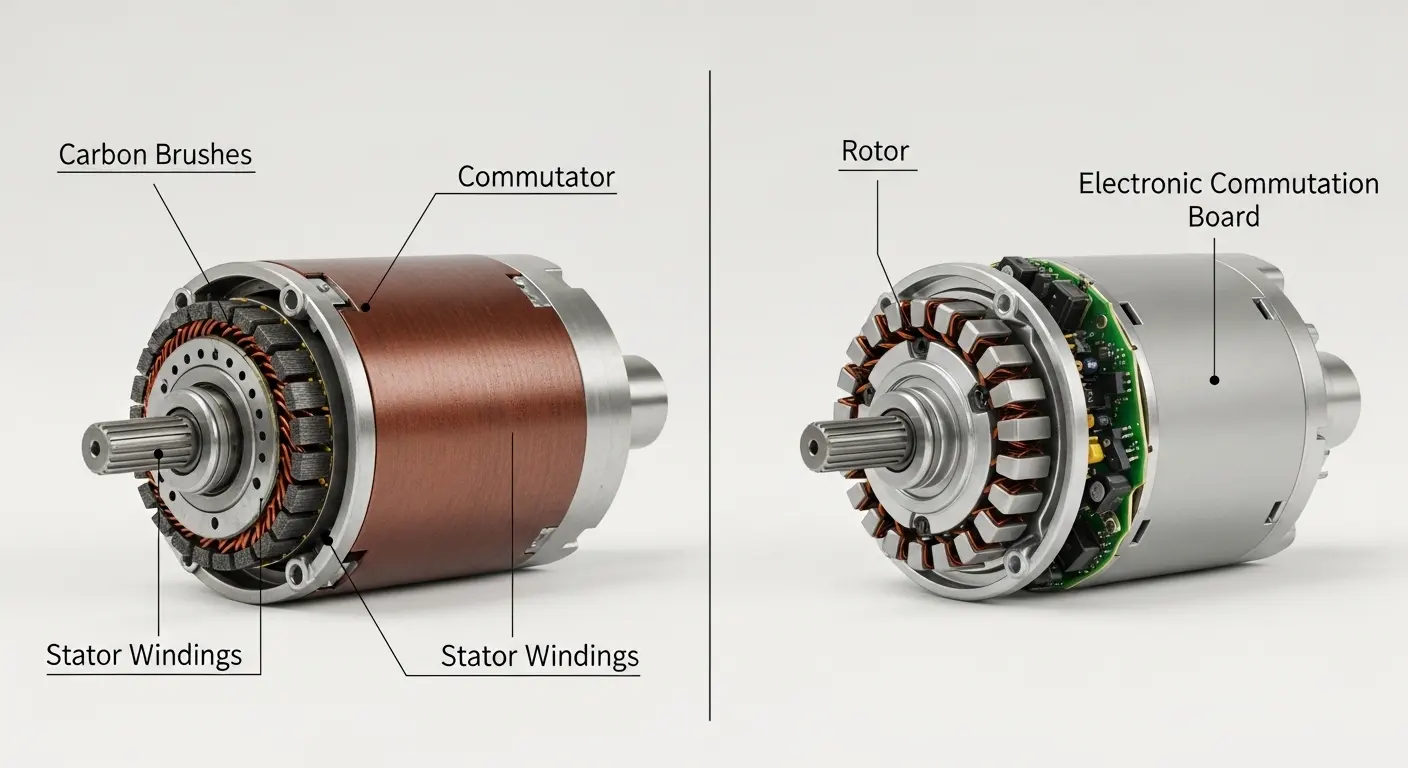
スイングバリアゲート内のモーターはサイクル寿命を決定する部品です, 騒音レベル, 長期的なメンテナンス頻度 — キャビネットの材料やパネル設計ではありません. これは多くの購入者が見落としがちな最も重要な仕様です.
標準的な直流モーターは、回転するアーマチュアに電流を伝えるためにカーボンブラシを利用しています. これらのブラシは時間とともに摩耗し、通常50万〜100万サイクルで交換が必要になります. あるブラシレスモータースイングバリア ブラシとの接触を完全になくします. モーターは代わりに電子整流を用いています, これにより:
- より長いサイクル寿命: 3–500万サイクル vs. 500ブラシ付き直流用のK–1M
- ノイズの低減: ブラシとの摩擦なし — ホテルのロビーにとって重要です, ライブラリ, そして静かなオフィス環境
- 熱発生が少なくなる: 低温の運転温度は制御盤とモーターの寿命を延ばします
- ブラシの交換は予定されていません: ゲートの耐用期間中のメンテナンスコストを削減します
1日12〜16時間の営業期間にわたりスイングバリアゲートを運用する施設 — トランジットステーション, 本社, 病院 — ブラシレスモーターはメンテナンスの頻度削減とサービス間隔の延長により価格プレミアムを回収します.
双方向スイングゲート: 1ユニットによる出入り
スペースの制約で出入口と出入口のレーンが分離できない設置場所, ある双方向スイングゲート 同じキャビネット内の両方の通路を管理します. コントロールボードは方向ロジックを担当し、認証情報がエントリー側から提示されたか出口側から提示されているかを読み取り、それに応じて適切なスイング方向をトリガーします.
さらに, 双方向モデルは、両方向に対応した独立した赤外線センサーアレイを備えています, したがって、アンチテールゲーティング検知とアンチピンチプロテクションはどちらの方向でも正しく機能します. この構成は二次的な建物の入口に適しています, 職員専用通路, そして、シングルレーンハードウェアが入口と出口の両方をカバーするアクセスポイント.
スイングバリアアクセス制御と並行して高速化が必要な施設、例えば高級空港ターミナルや政府省庁のロビーなど、歩行者用スピードゲート はより高スループットの代替案を表します, 1分間に50〜80人を処理し、隣接するADAレーンに使われるスイングバリアゲートと調和するガラスパネルの美観を特徴としています.
スイングバリアゲート vs. フラップターンスタイル: 実際にどれが必要ですか??
これは、購入者が歩行者アクセスシステムを指定する前に最もよく比較するものです. 率直な内訳を紹介します:
| 特徴 | スイングバリアゲート | フラップターンスタイル |
|---|---|---|
| 車線幅 | 550–1,500mm (調整) | 550–900mm |
| ADA準拠 | 自然適合 (ワイドレーン) | 延長レーンモデルが必要 |
| 外観の可塑性 | 高い (ガラス, アクリル, 鋼鉄) | より標準化されています |
| スループット | 30–40 ppm | 35–60 ppm |
| アンチテールゲーティング | よし (6–12のセンサーペア) | 強い (6–12ペア) |
| 屋外での運用能力 | 一部のモデルはIP54 | 主に屋内IP4X対応です |
| ベスト | ロビー, ADAレーン, 広範囲アクセス | トランシット, オフィス, ハイスループット |
| 費用 | ミッドレンジ | ミッドレンジ |
核心となる決定はチャネル幅です. もし施設で900mm以上の車線が必要な場合 — 車椅子用です, 荷物用トロリー, 自転車, または貨物カート — スイングバリアゲートが正しい選択です. 標準的な550mm歩行者レーンでの最大処理量を優先するなら, フラップ式改札機の方が性能を上回ります.
ほとんどの多車線設置の場合, 両タイプは共存しています: フラップ改札機は40〜60ppmの主要な歩行者流線を処理します, そのうち1つのスイングバリアゲートレーンがADA準拠の広大なアクセスを提供しています.
スイングバリアゲートが設置される場所
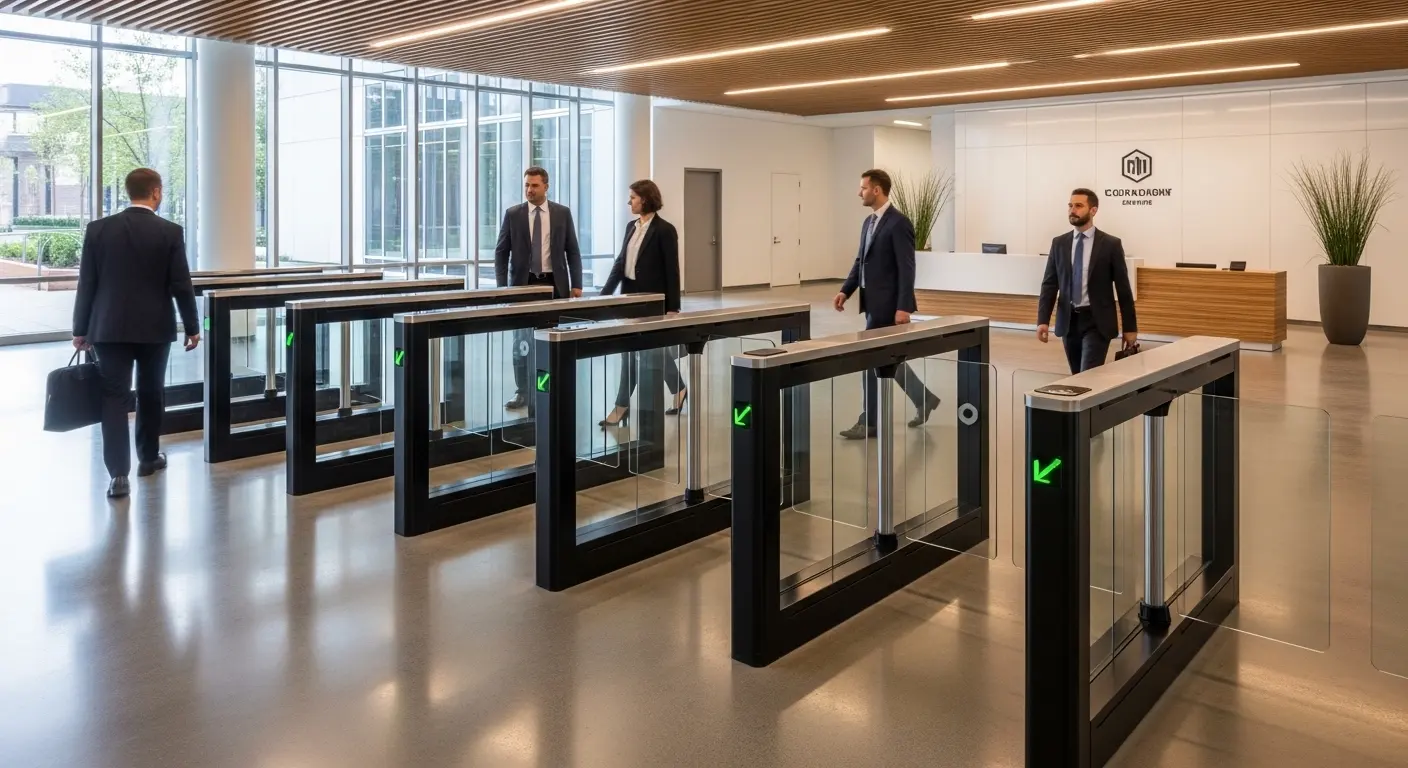
スイングバリアゲートは、広い車線が広い屋内外のほぼすべての環境に適しています, 美的に清潔なアクセスコントロールが求められます:
企業オフィスロビー
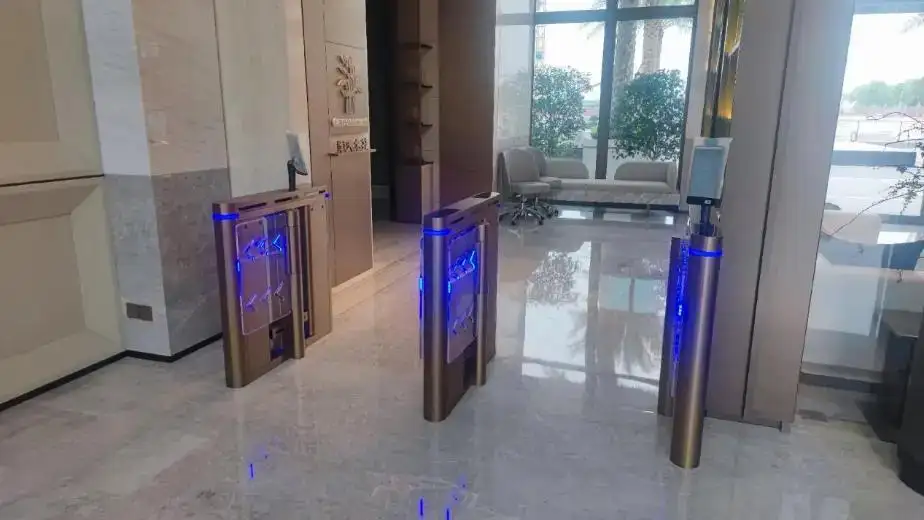
最も一般的な展開. メインエントリーレーンはフラップゲートまたはスピードゲートを使用します; 1つまたは2つのスイングバリアゲートレーンは、別個のゲートタイプなしでADA準拠とVIPアクセスを提供します.
ホテルおよび高級住宅物件
スイングバリアゲートは三脚改札よりも建築的に高級なインテリアに適合します. ガラスまたは磨かれたアクリルパネル, ブラッシュドステンレスキャビネット, 静かなブラシレスモーターは、機械的な騒音や工業的な外観が場違いな高級ロビー環境に適しています.
病院および医療施設
車椅子用の広い車線アクセス, 病院のベッド, 医療用カート, 移動補助具. ピンチ防止 (2kg未満の閉鎖力) 医療環境において譲れない要件です.
交通ハブと地下鉄駅
地下鉄駅のバリアフリーレーン, 空港, また、フェリーターミナルには荷物を運ぶ乗客を収容するためのスイングバリアゲートが必要です, ベビーカー, 標準的な改札レーン沿いに移動補助装置が設置されています.
学校, 図書館, および博物館
学生, 来客, 建物入口での職員資格取得. 静かなブラシレスモータースイングバリアゲートは、三脚アーム機構のカチッという音を伴わずに教育や文化環境の雰囲気を保ちます.
工場と工業地帯
屋外対応のスイングバリアゲートモデル (IP54) シフトエントリーポイントでは、勤怠記録で作業者のアクセスを処理します. ワイドレーンモデルはPPE装備の作業員にも対応可能です, 工具袋, 標準的な三脚レーンでは遮られるトロリー.
購入前に評価すべき主要な仕様
任意の2つのスイングバリアゲートモデルを比較する場合, まずこれらのパラメータを確認してください:
| 仕様 | エントリーレベル | 商用グレード |
|---|---|---|
| モータータイプ | 基本的なDC | ブラシレス直流 |
| MCBF | 1–2Mサイクル | 3–5Mサイクル |
| パネル素材 | アクリル | 強化ガラス |
| キャビネット素材 | SUS304, 1.2うん | SUS304, 1.5MMフルウェルド |
| センサーペア | 4–6 | 8–12 |
| 車線幅 | 550–700mm | 550–1,500mm |
| IP評価 | IP4X (屋内) | IP54 (半屋外) |
| 通信 | ドライコンタクト | RS485 + TCP/IP |
| 開業時期 | 0.5–1.0秒 | 0.3–0.5秒 |
センサーペア数は仕様書で過小評価されることが多いです. 4–6ペアは基本的な通過検出をカバーします. 8–12ペアが通路ゾーン全体をリアルタイムでマッピングし、単一の歩行者を区別します, 車椅子使用者, テールゲート, そしてトレーリングバッグ. 実際の運用時の誤報頻度にその違いが現れます.
スイングバリアゲートに関するよくある質問
Q: スイングバリアゲートとは何か、そしてフラップターンスタイルとどう違うのか?
ある: スイングバリアゲートは、±90°弧に開くパネルを使って通路を制御します. フラップターンスタイルは、キャビネット本体に格納できるパネルを使用します. 実用的な違いはレーン幅で、スイングバリアゲートは550〜1,500mmまで開きます, 車椅子でのアクセスに適した場所です, 荷物, そして自転車. フラップ改札機は通常550〜900mmの開口で、標準的な歩行者専用レーンで毎分の処理量を多く提供します.
Q: スイングバリアゲートはADA準拠ですか??
ある: はい、車線幅が少なくとも813mmであれば (32 インチ), 車椅子通過のためのADA最低基準. ほとんどの市販スイングバリアゲートモデルは550mmから1,500mmまでのレーン幅を提供し、ADA準拠に必要な正確な幅まで指定可能です. スイング機構は部分的に格納されるのではなく、完全に開きます, これにより、, 車椅子利用者および移動補助具利用者のための障害のない通行.
Q: スイングバリアゲートは屋外に設置できますか??
ある: はい, 正しいIPレートを持つ. 標準の屋内モデルはIP4Xに対応しています. 屋外または半屋外での設置, IP54の最低値を指定してください (ほこり防止, 方向性水). 完全に露出した環境の場合, IP65は必須です. 必ず独立した試験報告書を依頼してください。単なるメーカーの仕様書の主張だけでなく.
Q: スイングバリアゲートの標準スループットはどのくらいですか?
ある: ブラシレスDCモータースイングバリアゲートは、1分間に約30〜40人の処理を行います. これはフラップ式改札機よりも低い位置です (35–60 ppm) スイングの弧が広いためです, これにより、1サイクルあたりの時間が長くなります. スループットが主な要件である設置の場合, フラップバリアやスピードゲートはスイングバリアゲートよりも優れています. スイングバリアゲートは、車線幅やアクセス性がピークスループットよりも重要な場合に適しています.
Q: スイングバリアゲートで有効な資格とは何か?
ある: 現代のスイングバリアゲートはRFIDカードを受け入れています (IC/ID/NFC), QRコード, バーコード, 指紋バイオメトリクス, 顔認識カメラ, および温度検知システム. 制御基板は乾接点を介して接続されます, RS485, TCP/IP, またはWiegandであり、ほぼすべてのサードパーティのアクセス制御およびタイムアタックプラットフォームに対応しています.
