


地下鉄改札口: どのゲートタイプがあなたのステーションに合うか, スループット要件, 運賃収入保護概要
2026-04-04


大量の地下鉄駅のために, 正しい地下鉄改札ゲートは、標準の改札レーンにはフラップバリア、ADAレーンや非常口レーンには広い通路パドルゲートです. フラップバリアはレーンあたり40〜55ppmの発電量を供給します; 広い通路のパドルゲートは、ほとんどの地下鉄システムで交通運賃の半分以上を占める非常口の運賃回避ギャップを閉じます. NFPAによると 101 生命安全規範, 指定された避難経路のすべてのゲートは、火災報知器作動または電力喪失時にフェイルセーフで開かれなければなりません.
このガイドは交通局の調達担当者に情報を提供します, メトロインフラプロジェクトディレクター, システムインテグレーター, EPC請負業者には交通特有の基準に基づくゲートタイプ比較表が提供されます, ステーションシナリオマッチングセクション, ピーク時のスループット公式, トランジットチケットイング統合マトリックス, 運賃不正執行の比較, ADAおよびフェイルセーフ要件, 工場直通見積もりへの直接経路. まずはアイアンマントランジットゲートレンジから始めましょう。ターンスタイルゲートソリューションハブ.
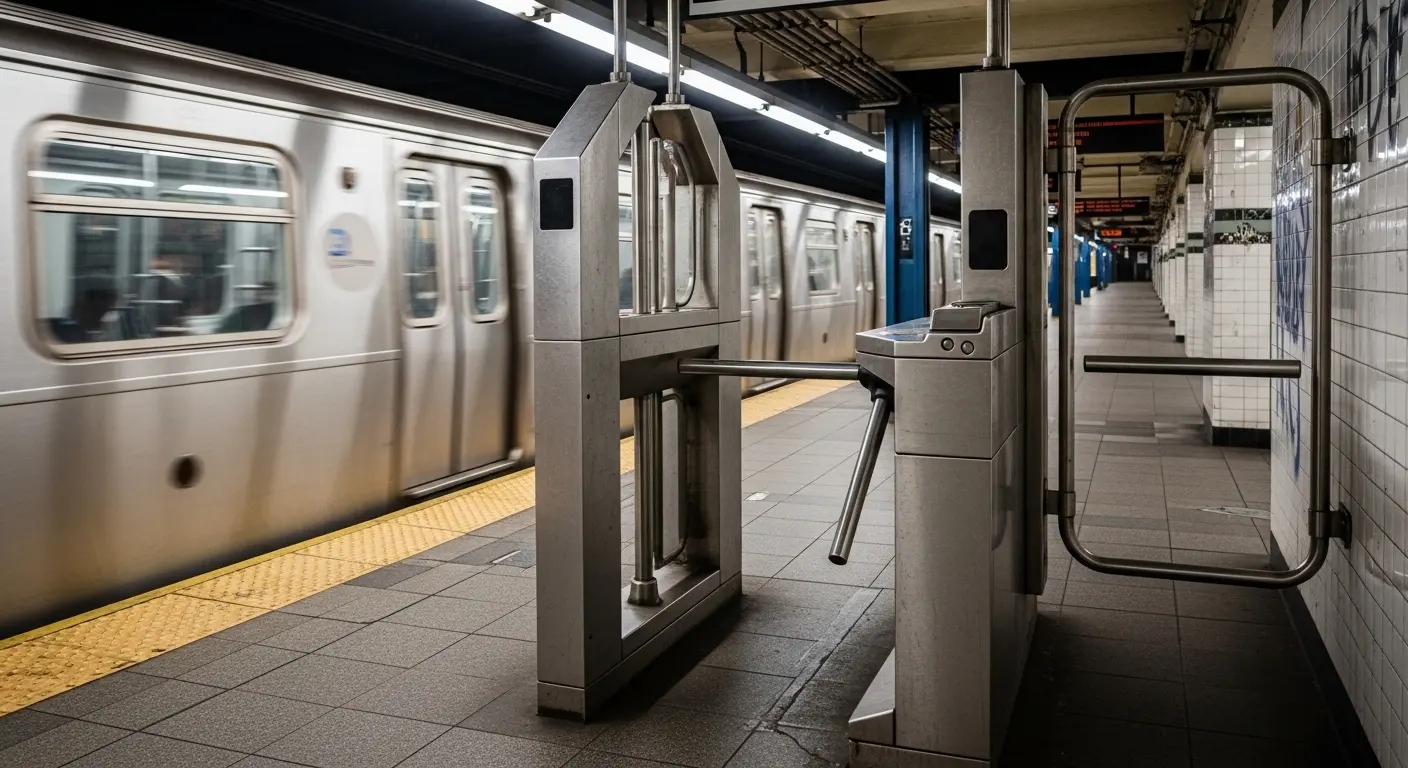
地下鉄の改札ゲートの種類 — 交通機関ごとの基準による比較
5種類のゲートタイプが地下鉄駅の要件全体をカバーしています. それぞれ異なる駅タイプに対応しています, スループット負荷, 運賃執行のブリーフ. 以下の表は、交通仕様において重要な基準についてこれらを比較しています.
| ゲートタイプ | スループット | 運賃取り締まり | ADA / ワイド・アイル | チケット販売 | ヴァンダル抵抗 | ベストステーションタイプ | 部隊範囲 |
|---|---|---|---|---|---|---|---|
| フラップバリア | 40–55 ppm | 高い — センサー + 警報 | ワイドレーンバリアント | RFID, QR, NFC, EMV | ハイ | 大量プラットフォーム, 標準的な羊毛製造 | $450–$3,000 |
| ワイド・レール・パドルゲート | 30–45 ppm | 最高 — 全ドアスイープ | 内蔵48インチ | RFID, QR, NFC, EMV | 凌雲 | ADAレーン, 非常口レーン, 主入口 | $1,200–6,000ドル |
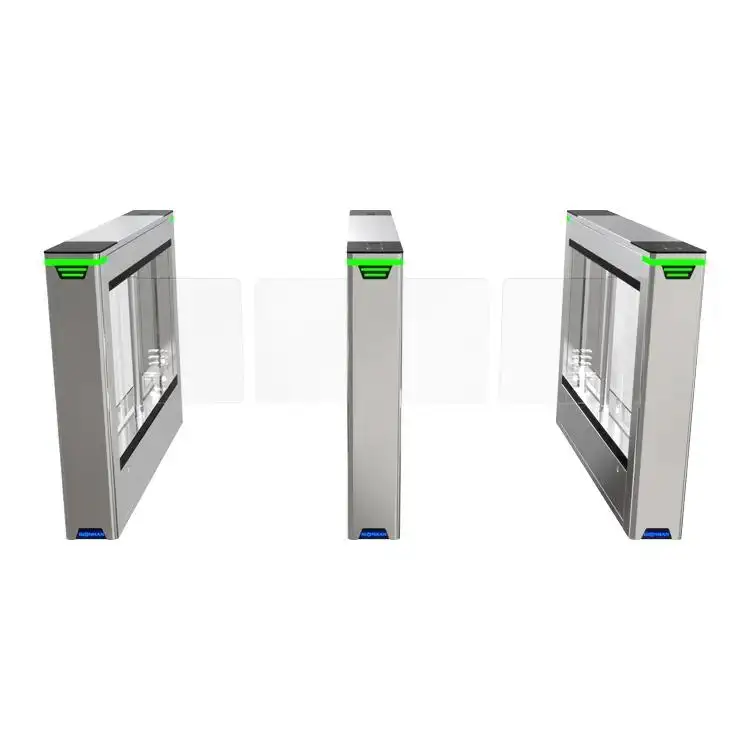
| ガラススピードゲート | 50–80 ppm | 中程度 — センサーアラーム | ワイドレーンバリアント | RFID, NFC, QR | 中程度 | プレミアム駅メザニン | $1,300–8,000ドル |
| 全高改札機 | 15–20 ppm | 最大 — 物理的なケージ | ADA専用車線が必要です | RFID, バイオ メトリック | 最高 | 屋外BRT, 無人の副入口 | $600–$4,000 |
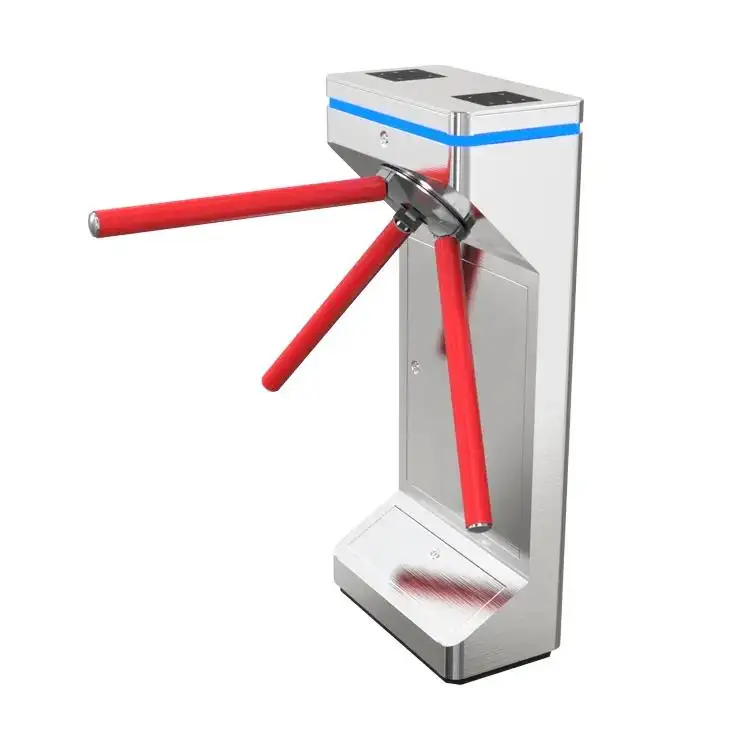
| トライポッドターンスタイル | 25–50 ppm | 中程度 — 機械式アーム | ADAバイパスレーンが必要です | RFID, QR, バーコード | ハイ | 予算改修, 副プラットフォーム入口 | $200–$1,200 |
フラップバリアと広い通路パドルゲート — 標準およびADAトランジット運賃ゲート
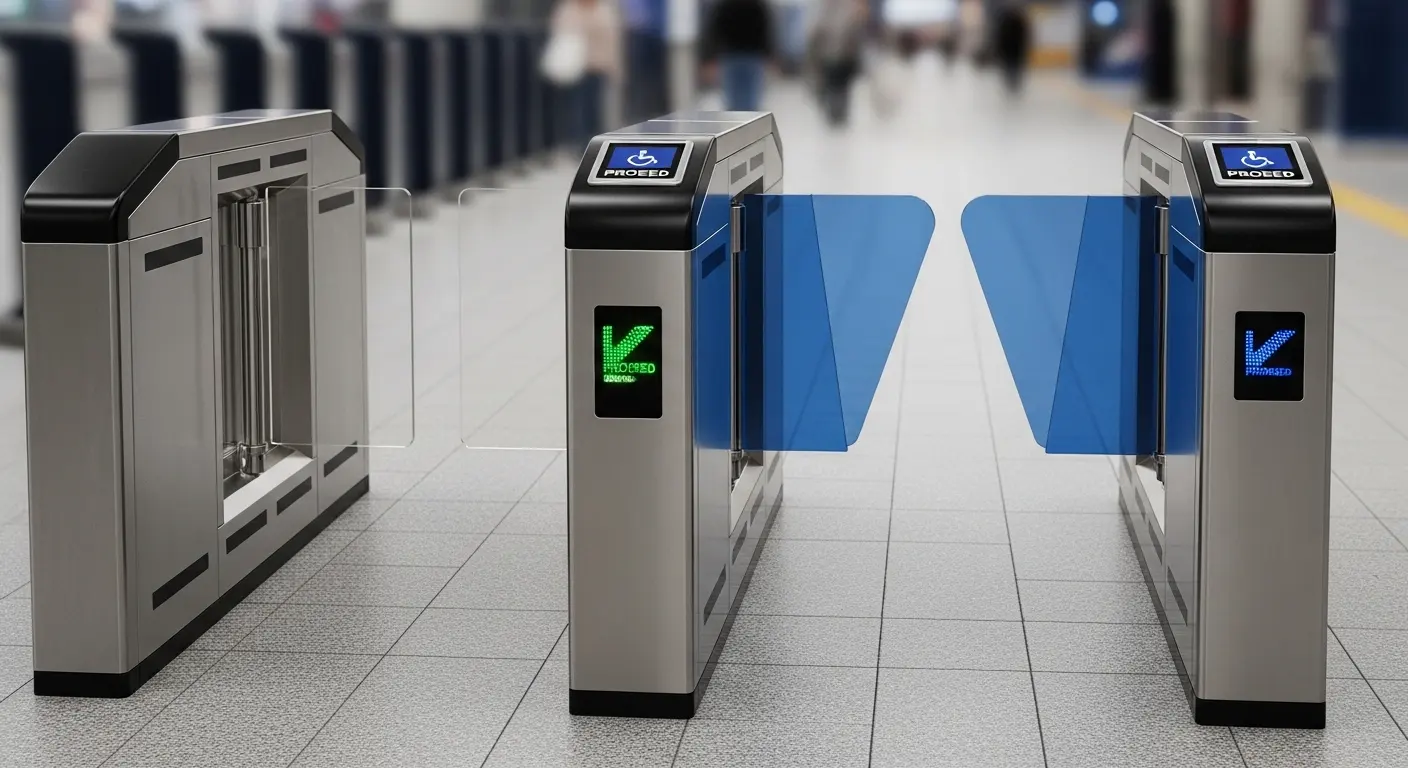
フラップバリアは、大量の地下鉄プラットフォームおよび標準的な改札車レーンの標準的な改札ゲートです. 1レーンあたり40〜55ppmで, 列車の駐留イベント中のピークバーストをキュー形成なしで処理します. センサーベースのアンチテールゲートシステムは、2人が通過する前にアラームを鳴らし、三脚アームだけでは得られない物理的・電子的な運賃取り締まりを兼ね備えています.
広い通路のパドルゲート, MTAニューヨークによって展開されました。 20 現在の局 2024, 通路幅48インチのフルドアスイープバリアを追加. これによりADA準拠が解決されます, ベビーカーと手荷物のアクセス, そして緊急出口レーンでの運賃不正を同時に実施する—これはほとんどの地下鉄システムで最大の運賃回避ポイントです.
フルハイトおよびトライポッド — 屋外および予算型トランジット展開
全高の改札機は屋外の露出運賃ゾーンに適合 — BRTターミナルの周囲, 無人の二次地下鉄駅入口, および改札の周囲. IP54〜IP65の屋外規格は、露出した交通環境に適しています. 全高改札が主要な出入りバリアを形成する場合は、別のADAレーンを設けなければなりません. これらのポジションで使用されるアイアンマンのアンチテールゲーティング構成, 参照アンチテールゲーティングAB改札機ページ.
三脚改札機は、二次プラットフォーム入口や低流量のトランジット駅において最もコスト効率の高い改修として依然として有効です. 1レーンあたり$200〜$1,200、25〜50 ppmで, 機械式運賃障壁とRFID/QR統合機能を、車線あたりの資本コストを最も低く提供します.
駅の種類ごとの地下鉄改札機ゲート — どのゲートがどこに属するか
駅の種類とピーク負荷がゲートタイプを決定します — 単なるトランジット路線のカテゴリーだけでなく. 同じシステム内の大量地下鉄プラットフォームとオフピーク時の二次入口は異なるゲート仕様が必要です.
| 駅の種類 | おすすめのゲート | レーン | 資格 情報 | 主要要件 |
|---|---|---|---|---|
| 大量の地下鉄 (>200 ppm) | フラップバリア | 4–11 | RFID, QR, NFC | 最大スループット, 運賃の取り締まり, ADAレーン |
| 標準地下鉄 (100–200 ppm) | フラップバリア | 2–5 | RFID, QR | スループット, 運賃の取り締まり, ADAレーン |
| ADA / ベビーカー / 荷物レーン | 広通路パドルゲート | 1銀行あたり2人 | RFID, QR, NFC | 48-インチクリア, ADA準拠 |
| 非常口レーン | 広通路パドルゲート + フェイルセーフ | 1–2 | 警報フェイルセーフが開く | 出口レーン違反ギャップを埋める |
| 中等教育 / オフピーク入口 | 三脚改札機 | 1–2 | RFID, QR | 低コスト, 運賃管理 |
| 屋外BRTターミナル | 全高改札機 | 2–4 | RFID, バイオ メトリック | IP65, 最大の物理的抑止力 |
| プレミアム駅メザニン | ガラス製スピードゲート | 2–4 | RFID, NFC, QR | 高スループット, 駅の美観 |
大量および標準メトロプラットフォーム
大量のメトロプラットフォームでは、最低ゲートバンクスループットが以下の必要があります。 200 満席ゲート線を通る乗客数. フラップバリアレーンあたり40〜55 ppmで, 4〜5車線のバンクがこの要件を満たし、メンテナンス期間用に1車線が予備として確保されています. トランジットゲート展開分析に基づく, 地下鉄ゲート設置で最も一般的なスループットの失敗は、ピークの停留イベントバーストではなく、平均時間あたりの入場率に合わせたサイズ調整です。ピーク停留イベントバーストは60〜90秒のウィンドウに80〜150人の乗客を集中させます.
標準的な地下鉄プラットフォーム(容量100〜200ppm)には、2〜4本のフラップバリアレーンと1本のADAワイドレーンが必要です. ADAレーンは標準レーンと同じゲートバンク内にある必要があり、別々の場所にある必要はありません. アイアンマンのフラップバリア改札機用トランジットプラットフォーム展開用, 参照フラップバリア改札機ページ.
ADA, 非常口, およびセカンダリーエントランスシナリオ
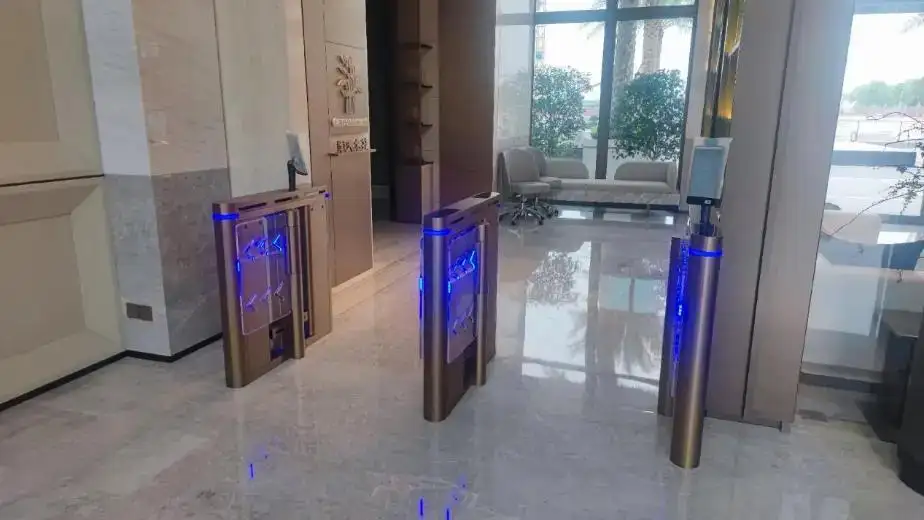
ADAについて / ベビーカー / アメリカのすべての地下鉄運賃ゲートバンクでは、手荷物レーンは必須です. ADAアクセシブルデザイン基準の下で. 最小クリア幅は 32 インチ — しかし、推奨される交通仕様は 48 インチまたはそれ以上の幅, MTAおよびLAメトロの広通路ゲート標準に合わせています. プレミアムステーション環境で使用されるアイアンマンガラススライディングゲート構成, 参照ガラススライディングゲート改札機ページ.
二次入口とオフピークの入口は地下鉄システムで最も低い歩数のゲート位置を表します. これらの役職で, 1レーンあたり200〜1,200ドルの三脚は、RFID/QR運賃の取り締まりを最も低い資本コストで実現します. アクセシビリティ要件を満たすために、ADAバイパスレーンを1車線(広い通路のパドルゲートか、スタッフ付きの手動オーバーライド)と組み合わせてください.
地下鉄改札ゲートの運賃回避取り締まり — ゲートが取るべきこと
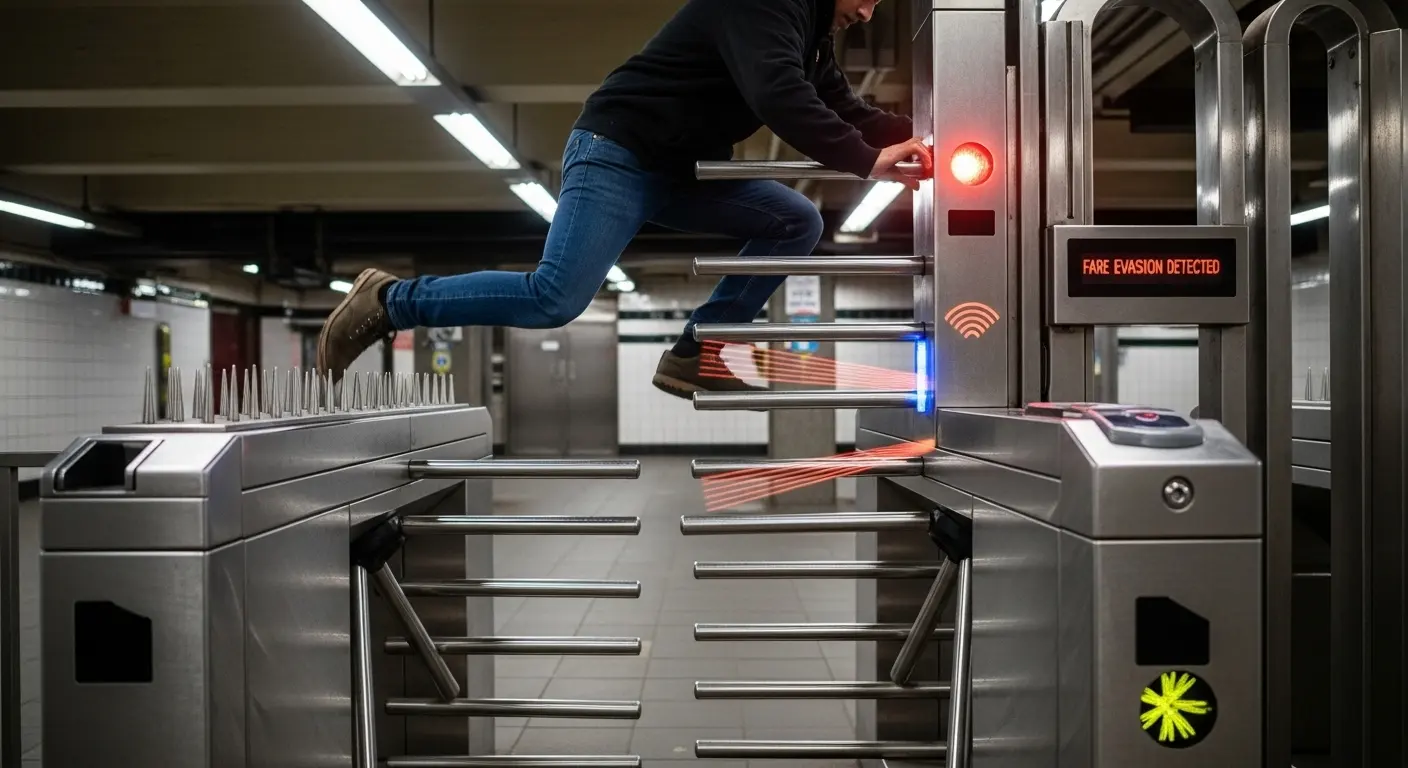
地下鉄の改札ゲートの主な機能は運賃収入保護であり、不正な立ち入りを阻止することです. MTAのデータによると, 地下鉄の運賃不正の半数以上は非常口ゲートを通じて発生しています, 標準の改札車線を通ることはできません.
ゲートの種類別の運賃回避取り締まり
| ゲートタイプ | バイパス方式 | 執行レベル | 収益回復 |
|---|---|---|---|
| 広通路パドルゲート | ドアを全開けて — 隙間なし | 最高 | 最大 |
| フラップバリア | センサー + 警報 | ハイ | 強い |
| 全高改札機 | 物理的なケージ | ハイ | 強い |
| 三脚改札機 | 機械式アーム | 中程度 | 中程度 |
| 伝統的な非常口ゲート | プッシュバー — バリアなし | 何一つ | ゼロ |
地下鉄ゲートのアップグレードごとに埋めなければならない3つの執行のギャップ
非常口レーン: 標準的なプッシュバー式非常口ゲートをADAの広通路パドルゲートに置き換えることで、ほとんどの交通システムで最大の運賃回避ポイントがなくなります. MTAのデータによると, この単一の変更により、標準レーンの三脚改札機を交換するよりも運賃収入の回収が効果的です.
ジャンプオーバーギャップ: 標準的なフラップバリア 900 MMのパネル高さがほとんどのジャンプオーバーを妨げます. 標準運賃レーンの全高改札機は、リスクの高い場所でのジャンプオーバーを完全に排除しています.
アンチテールゲーティングセンサーのキャリブレーション: トランジットボリュームのアンチテールゲーティングセンサーは、メトロプラットフォームの密接接触キューイングパターンに合わせて校正されなければなりません. 私たちの交通導入経験に基づく, 標準的な歩行者キャリブレーションでは誤報率が上回ります 15% 混雑した地下鉄駅のピーク時には、オペレーターが感度を下げたりアラームを無効にしたりする原因となります. 順次点でトランジットキャリブレーション感度を指定します. バートの $90 ミリオンゲート交換契約 — おおよそ置き換え 715 回避しにくい代替ゲート 2026 — これは交通当局が運賃収入回収にコミットしている投資規模を反映しています.
地下鉄改札ゲートのピーク時のスループット計画
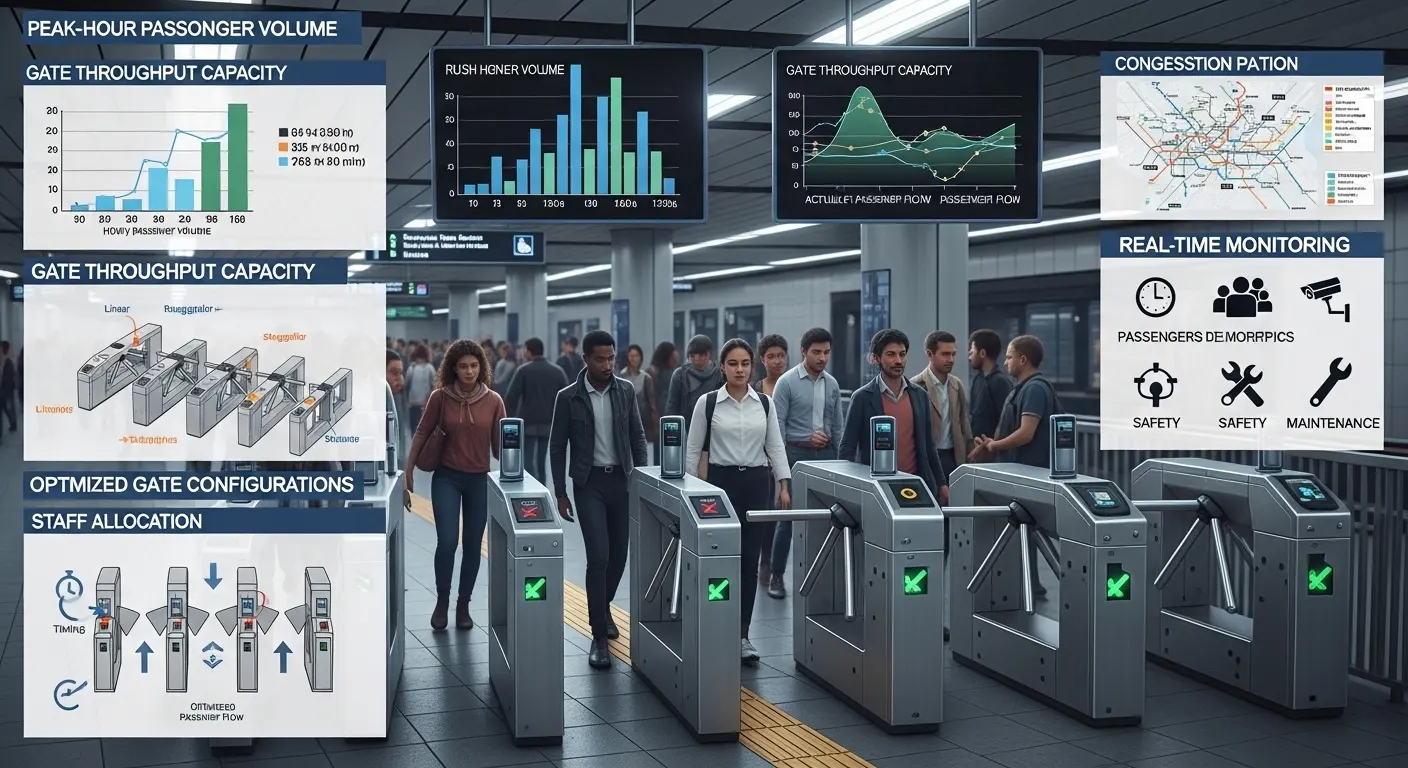
レーン数の過小指定は地下鉄の改札ゲート仕様の最も高額な誤差であり、ピーク時のスループットボトルネックが乗客の遅延を引き起こします, プラットフォームの混雑を生じさせます, そして安全介入を誘発します.
地下鉄ピークスループット公式 — 列車停留イベント方式:
レーン = 1列車あたりの乗客数÷居住ウィンドウ (お代わり) × 60 ÷ゲートppm
例 1 — 大量生産量の地下鉄プラットフォーム, 800-旅客列車, 90-セカンドドウェル, フラップバリア at 50 ppm:
800 ÷ 90 × 60 = 533 1分あたりのエントリー数. 533 ÷ 50 = 10.7 レーンズ→11 フラップバリアレーンの最低限 プラットフォームのために.
例 2 — スタンダード・メトロ, 300-旅客列車, 90-セカンドドウェル, 三脚は 35 ppm:
300 ÷ 90 × 60 = 200 1分あたりのエントリー数. 200 ÷ 35 = 5.7 レーンズ→6 三脚レーンの最低限.
| ステーションロード | 列車の収容能力 | 居住 | ゲートタイプ | レーン |
|---|---|---|---|---|
| ライトレール (200 パックス) | 200 | 90 秒 | フラップバリア | 4–5 |
| 標準地下鉄 (500 パックス) | 500 | 90 秒 | フラップバリア | 7–8 |
| 大量の地下鉄 (800 パックス) | 800 | 90 秒 | フラップバリア | 10–11 |
| BRTターミナル (可変) | 可変 | 120 秒 | 三脚 | 4–6 |
居住イベントピークのサイズ. 平均化する局 5,000 1時間あたりの乗客数は経験できます 300 90秒の停留ウィンドウ内で同時ゲートエントリー. スループットベースとしての平均時間単価は、大量の交通展開におけるレーン数を一貫して過小指定しています.
地下鉄改札ゲートのトランジットチケット統合
チケットシステム統合は、設置後の構成ではなく仕様段階で確認されるべきです. 各チケットプロトコルにはゲートユニットに内蔵された専用リーダーハードウェアが必要です.
| チケット認証 | プロトコル | ゲートリーダーハードウェア | 互換ゲートタイプ |
|---|---|---|---|
| 非接触EMV / RFIDトランジットカード | ISO 14443 | 13.56 MHz RFIDリーダー | フラップバリア, パドルゲート, スピードゲート, 三脚 |
| QR電子チケット (モバイルまたは印刷) | TCP/IP | 2Dバーコードスキャナー | フラップバリア, パドルゲート, スピードゲート, 三脚 |
| NFCモバイルペイ | ISO 18092 / HCE | NFCリーダー | フラップバリア, パドルゲート, スピードゲート |
| 顔認識 | TCP/IP | IPカメラモジュール | フラップバリア, スピードゲート, パドルゲート |
| レガシー磁気ストライプ | RS232 | 磁気スワイプリーダー | 三脚 (レガシーシステムのみ) |
私たちのトランジットゲート展開経験に基づく, 最も一般的なチケット仕様のギャップは、非接触型RFIDリーダーとQRスキャナーが同じゲートユニット内に設置されていないことです. これは既存の交通カード利用者とモバイルアプリのeチケット利用者の両方を一つのゲート位置から対象としています. アイアンマンフラップターンスタイルゲートのマルチクレデンシャルリーダー構成用, 参照フラップターンスタイルゲート製品ページ.
地下鉄改札ゲートのADAおよびフェイルセーフ要件
ADA準拠とNFPA 101 フェイルセーフ避難は、すべての地下鉄改札機設置における必須要件であり、オプションの追加ではありません.
ADAの広通路要件
アクセシブルデザインのためのADA基準の下で (アメリカ合衆国. アクセスボード), すべての地下鉄運賃ゲートバンクには、最低32インチのクリア幅を持つアクセシブル通路が少なくとも1つ含まれている必要があります. 現代の好まれる交通仕様は以下の通りです。 48 数インチ以上、MTAニューヨークおよびロサンゼルスメトロの広通路ゲート標準に匹敵するサイズ. 国際地下鉄システム向けに, ISO 21542 最低限の条件を要求します 900 ミリメートル (おおよそ 36 インチ) アクセシブルの改札通路幅.
NFPA 101 フェイルセーフ脱出
NFPAによると 101 生命安全規範, 指定された緊急避難経路にあるすべての地下鉄改札ゲートは、内部の開いた位置に格納されなければなりません 3 火災報知器が作動するか、電源が切れるまで数秒間、緊急事態の間は開いたままです. フェイルセーフトリガーは、ドライコンタクト入力を介して火災報知器制御パネルに直接接続されなければなりません. ネットワーク遅延の対象となるソフトウェアコマンドはこの要件を満たしません. フェイルセーフ緊急避難構成を備えたアイアンマンのスライド式改札機ゲートについて, 参照スライド式改札口のページ.
地下鉄の改札ゲートの工場直販見積もりを取得する方法
4つの項目で、工場直達の完全な明細見積もりを取得できます。 12 営業時間.
- ステーションの種類と負荷を定義してください: 大量の地下鉄 / スタンダード・メトロ / BRTターミナル / 副入口 + 列車の収容能力と居住時間は数秒で
- レーン数を計算してください: 居住イベントの公式を適用してください — 列車あたりの乗客数÷滞在秒× 60 ÷ ゲート ppm = レーン数; ゲートバンクごとにADAの広い通路通路レーンを1つ追加してください
- チケット統合を確認する: 非接触型EMV RFID / QR電子チケット / NFCモバイルペイ — 交通当局のチケット発行プロトコルと注文時に必要なリーダーハードウェアを確認する
- トランジットブリーフを提出してください: 訪問 歩行者スピードゲートページ または 改札口ゲートハブ 工場直通ゲート見積もりは以下の通りです。 12 営業時間, CEと共に, ISO9001, FCC, RoHS認証文書には以下が含まれます
よくある質問
Q1: 地下鉄駅に最適な改札ゲートの種類は何でしょうか??
大量運行の地下鉄プラットフォーム向けに, フラップバリアは標準運賃レーンで最も優れた地下鉄改札ゲートで、1レーンあたり40〜55 ppmです, センサーベースのアンチテールゲーティング, および非接触型RFID/QR/NFCのチケット統合. 広い通路のパドルゲートは、ADAレーンと非常口レーンに適切な仕様です。ほとんどのシステムで交通運賃の半分以上を占める非常口の運賃回避ギャップを埋めます. 三脚ターンスタイルは、二次およびオフピークの入口にあたり200〜1,200ドルで対応し、機械的な運賃取り締まりやRFID/QR統合を最低の資本コストで実現します. 全高改札は屋外BRTターミナルの周囲や無人の副入口に適しており、最大限の物理的抑止が主な目的です.
Q2: 地下鉄の改札ゲートはどのようにしてチケットの不正利用を防ぐのですか?
地下鉄の改札ゲートは、3つの仕組みで運賃の不払いを防ぎます: 有効な資格が提示されるまで通行を妨げる物理的な障壁 (フラップパネル, パドルドア, フルハイトケージ, または三脚アーム), センサーベースのアンチテールゲーティングシステムで、ゲートがリセットされる前に2人目の入室者を検知し、警報を鳴らします, また、ゲート開業前に交通局のチケットデータベースとリアルタイムで認証を検証する運賃システム統合も含まれます. MTAのデータによると, 地下鉄運賃の半数以上が非常出口ゲートを通じて発生しており、ADAの広通路パドルゲートをフェイルセーフ避難に置き換えることは、ほとんどの交通システムにおける運賃収入回収における最も大きな影響を与える単一の介入策です.
Q3: 地下鉄の改札ゲートはどのくらいの処理量を処理する必要があります?
dwell-eventの式を用いましょう: 1列車あたりの乗客数÷居住ウィンドウ (お代わり) × 60 ÷ ゲート ppm = レーン数. 800人乗りの大容量地下鉄列車で、90秒間の停留時間とフラップバリアが設置されている場合 50 ppm, 最低レーン数は 11 そのプラットフォームのレーン. 三脚を備えた300人乗りの標準地下鉄列車の場合 35 ppm, 最小値は 6 車線. 宿泊イベントのピークサイズ — 平均時間あたりの入場率ではありません. 平均化する局 5,000 1時間あたりの乗客数は経験できます 300 90秒間のウィンドウ内で同時ゲートエントリー. 平均レートのサイズは、大量の交通展開において一貫してレーン数を過小指定しています.
Q4: 地下鉄の改札ゲートは、非接触チケットとどのように統合されるのでしょうか?
地下鉄の改札ゲートは、ゲートユニットに内蔵された特定のリーダーハードウェアを通じて非接触のチケットと統合されます: ある 13.56 MHz ISO 14443 トランジットカードおよびEMV銀行カード用の非接触型RFIDリーダー, モバイルアプリや印刷チケットからQR電子チケットを発信できる2Dバーコードスキャナー, およびISO 18092 モバイルペイ向けのNFCリーダー. 現在、ほとんどの交通当局は非接触型RFIDとQRスキャナーのデュアルリーダー構成を義務付けており、1つのゲートレーンがトランジットカードの盗聴と電子チケットスキャンの両方をカバーし、別々のレーンを使いません. 従来の磁気ストライプシステムはRS232磁気スワイプリーダーを使用しています, しかし、これらの車両はほとんどの交通システムで廃止されつつあります。 2026. 仕様段階で交通当局の要求するチケット発行プロトコルを確認してください.
Q5: 地下鉄の改札ゲートに関するADA(障害者法)の要件は何ですか??
アクセシブルデザインのためのADA基準の下で (アメリカ合衆国. アクセスボード), すべての地下鉄運賃ゲートバンクには、最低32インチの通路が少なくとも1つ設置されなければなりません (812 ミリメートル) クリア幅. 新築および大規模な改修のために, 推奨されるトランジット仕様は以下の通りです。 48 インチ以上 — これはMTAニューヨークとLAメトロが広通路の運賃階級アップグレードプログラムで採用している標準です. 国際的な地下鉄展開のために, ISO 21542 最低限の条件を要求します 900 MMバリアフリー通路. ADAレーンは同じ改札ゲートバンクの一部でなければならず、プラットフォーム上の別場所にある必要はありません. この要件には、広い通路用のパドルゲートが標準的なハードウェアソリューションです, また、同じ施設内の非常出口の運賃不正ギャップも埋めるためです.
Q6: 地下鉄の改札機ゲートのフェイルセーフ要件は何ですか??
NFPAによると 101 生命安全規範, 指定された緊急避難経路に設置されたすべての地下鉄改札機ゲートは、内部の完全に開いた位置に格納されなければなりません 3 火災報知器が作動するか、電源が切れるまで数秒の間、緊急事態の間は開いたままです. フェイルセーフトリガーは、ドライコンタクト入力を介して火災報知器制御パネルに直接接続する必要があります. ソフトウェアベースのフェイルセーフコマンドは準拠していません。ネットワーク遅延の影響を受け、火災緊急時には頼ることができません. さらに, 単発式手動オーバーライドは、ゲートの両側から常にアクセス可能でなければなりません. 仕様段階で火災パネルの統合性とフェイルセーフ対応時間を確認し、レイアウト承認前に確認してください.
