


空港の改札口ゲート: 種類, 特徴と適切な選択方法
2026-04-05


ひとつの空港の改札ゲート 単なる障壁ではありません. ターミナルと乗客の間の最初で最後のアクセスコントロールのラインです. 正しくやれ, そして何千人もの旅行者が数分で乗り換えゾーンを摩擦なく通過します. 間違えてください, そして列に並ぶ, セキュリティギャップ, そして、端末全体に波及する運用上の故障. このガイドはあらゆる種類のものをカバーしています空港の改札ゲート 入手可能, どの特徴が実際に重要なのか, そして空港内の各ゾーンに正しいゲートをどう正確に合わせるかも教えてくれます.
空港の改札ゲートとは何か?
ひとつの空港の改札ゲート 高トラフィックの空港環境向けに特別に設計されたモーター付き歩行者アクセス制御バリアです. セキュリティチェックポイントに置かれています, 乗車レーン, 到着ホール, 移民回廊, スタッフ専用ゾーン. その役割は資格確認を行い、許可された者のみを通すことです, 一人ずつ, 高速で.
オフィスビルで使われる門とは異なり, 空港版は1時間あたり数千人の乗客を処理しなければなりません. 実際, 主要な国際空港は、すべての稼働中のターミナルで毎日数十万人の乗客を処理しています. そのような負荷には、ゲートが航空会社の出発管制システムと直接接続する必要があります (DCS), 移民データベース, および生体認証IDプラットフォーム. そのシステムの接続性こそが、真の空港の改札ゲート 標準的な歩行者用バリアから.
空港内の各ゾーンは異なるスループット需要も持っています. 例えば, 搭乗ゲートには迅速なフラップバリアが必要です. 移民回廊には生体認証eGateが必要になる場合があります. メンテナンスアクセスエリアには全高の周囲バリアが必要です. 1つのゲートタイプだけではすべてのユースケースをカバーできません.
空港環境に専用ゲートが必要な理由
標準的な商用ゲートは9時から17時までの交通パターンに対応して設計されています. 空港の運行 24/7. 出発時間帯には乗客数が急激に増加します, 到着ピーク, 飛行の妨害. 実際, 中規模の国際空港1つでも見渡せます 800,000 全ターミナルの1日あたりの乗客数.
まずは, 空港は高いスループットを求めています, 意味 30 または搭乗ゾーンでの1分間の人数増加. 次, ほぼ停止時間を必要としません, 搭乗レーンでゲートが故障すると、即座に乗客管理の問題が生じる. 最終的に, 空港のゲートは混合乗客のプロファイルに対応しなければなりません: ベビーカーを使った家族, 高齢の旅行者, 車椅子利用者, そして大型キャビン荷物を運ぶ人々.
その結果, 専用に作られた空港スピードゲートシステム 乗車および到着環境において唯一信頼できる選択肢です. 一般的な商業用改札口では、これらの複合的な要求を満たせません, そして、その違いは運転開始の最初のピーク時に明らかになります.
空港の改札ゲートシステムの種類
適切なタイプを選ぶには、ゲートがどこに設置され、どのような乗客層に対応するかを理解することから始まります.
フラップバリア: 搭乗ゲート基準
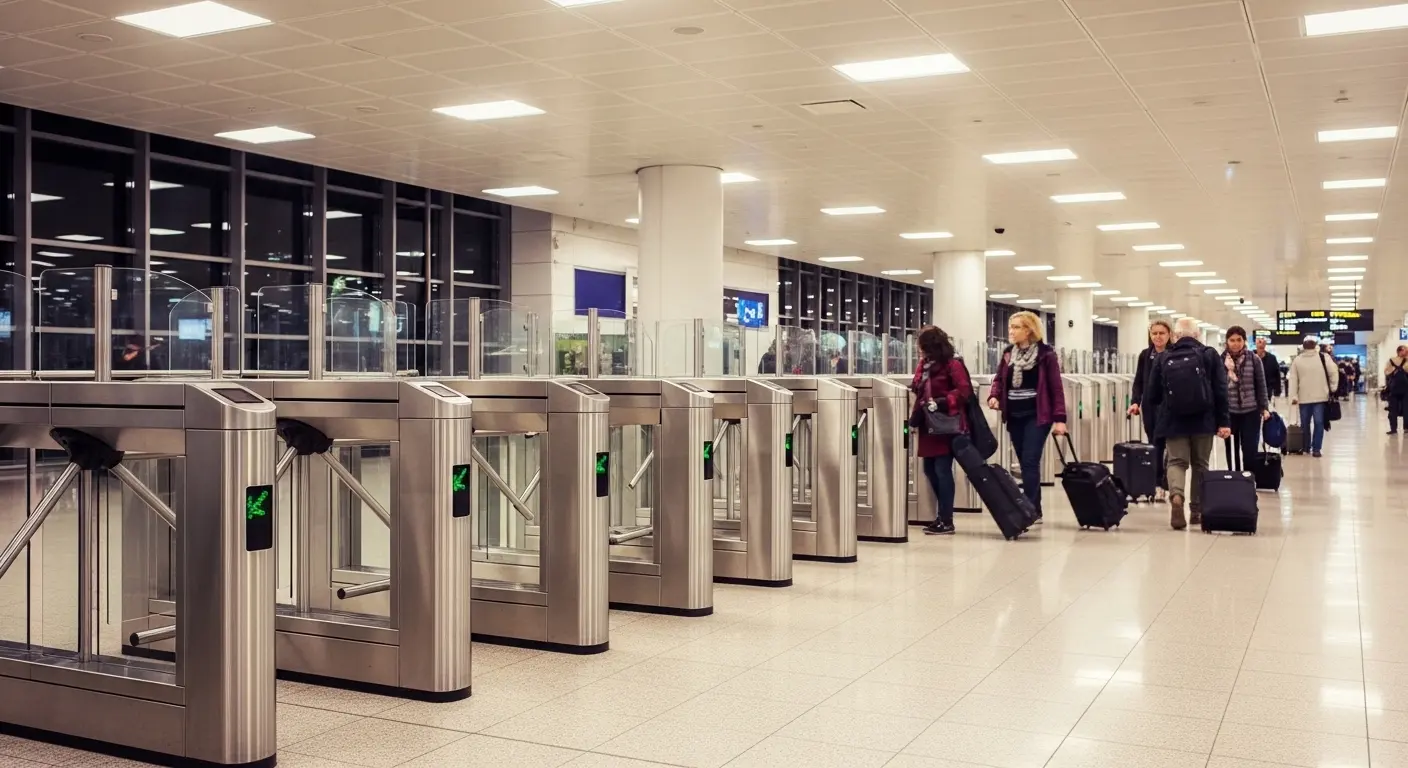
フラップバリアが最も広く使われています空港の改札ゲート 搭乗エリアと出発ホールのタイプ. 格納式パネルは0.5秒未満で開き、同じ速さで閉じます. スループットは通常、以下に及びます。 30 宛先 45 車線あたりの人数, 1秒が重要な出発時間帯に理想的です.
フラップバリアは広い車線構成をサポートします, 550mmから900mmまで, 乗客は横向きに回ることなく機内持ち込み荷物を持って移動できます. ほとんどのモデルには、テールゲーティングを検知する多ビーム赤外線アレイが含まれています, 不完全な通過, および逆入試行. バーコードスキャンとQRコードの両方に対応したい搭乗レーンへ, ザバーコード改札ゲート 1Dおよび2D両方の搭乗券フォーマットに対応しています, 2秒以内に各乗客をクリアする.
スピードゲート / 光学ターンスタイル
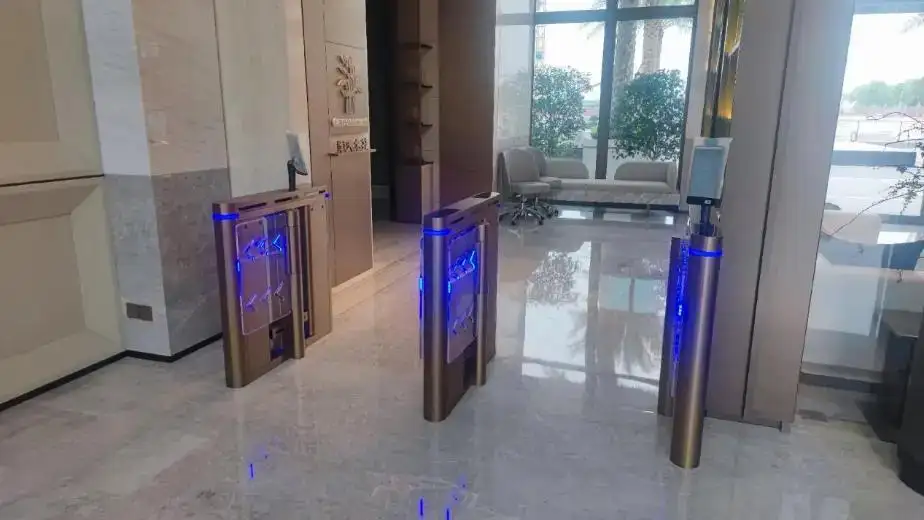
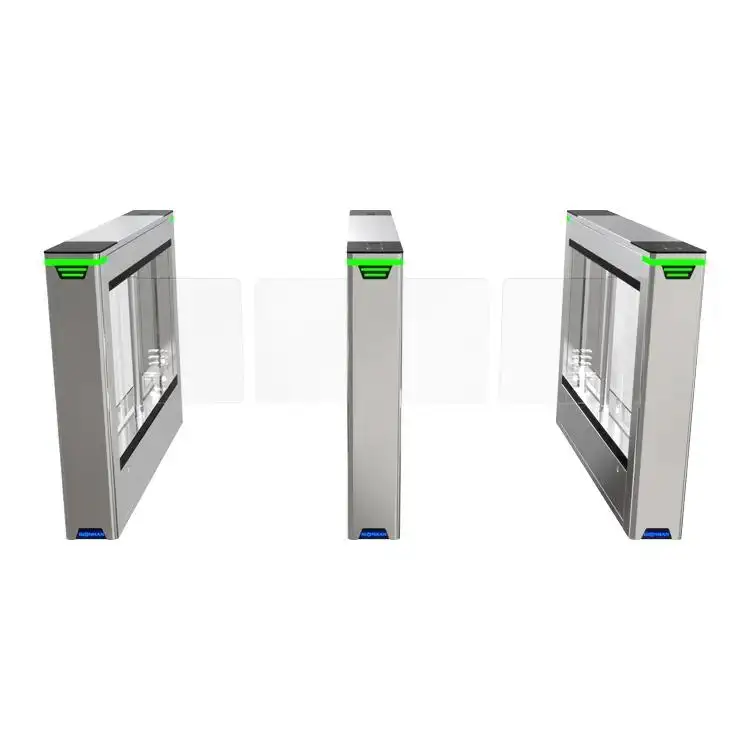
スピードゲートは格納式のガラスまたはアクリルパネルを使用し、非常に高い処理速度で動作します, しばしば 40 1分あたりの人数. これらは一般的に到着ホールに設置されます, VIPラウンジ, そして、物理的なアクセスコントロールと並んで清潔な美観を重視するプレミアムターミナルゾーン.
のガラススライドゲート改札機 この環境にとても合っています. この2つは結合します 8 赤外線検出器のペア, 強化ガラスパネル, そして、工業的には見えない現代のターミナルアーキテクチャに適した形で双方向認可を提供. スピードゲートは最大914mmまでのレーン幅にも対応しています, 移動補助具を備えた乗客を収容しています, 荷物用トロリー, レーンチェンジ機能のないベビーカー.
スイングゲート改札機
スイングゲートはあらゆるバリアタイプの中で最も広い通行オプションを提供し、ADA準州およびアクセシビリティレーンにおいて重要な役割を果たします. ほとんどの空港では、標準的なフラップバリア列の横にスイングゲートを設置しています. この仕組みは、車椅子利用者や大型手荷物を隣接レーンの一般的な乗客の流れを妨げることなく対応できます.
の双方向スイングゲート 双方向交通を処理可能. 実際に, これは、日中の異なるフライトフェーズで入り着着と出発の乗客の流れが交互に行われるゾーンで有用です.
腰の高さの改札ゲート
低セキュリティの空港ゾーン向け, 例えば、一般チェックインロビーエリア, スタッフの食堂施設, または陸上駐車場のアクセスポイント, ある腰の高さの改札ゲート 実用的なコストで基本的なアクセス管理を提供します. これらはセキュリティ付き搭乗ゲートでは使用されません, しかし、非警備区域にわたる空港施設の広範な管理においては、実際の役割を果たしています.
全高改札機ゲート
フルハイトモデルは床から天井まで立つことができ、最も敏感な空港ゾーンで使用されています: 貨物取扱エリア, 回廊の維持管理, 制限付き職員区域, および周囲のアクセスポイント. その物理的な構造は、登ったり身をかがめたりすることを妨げています, 電子機器のみのシステムでは保証できない.
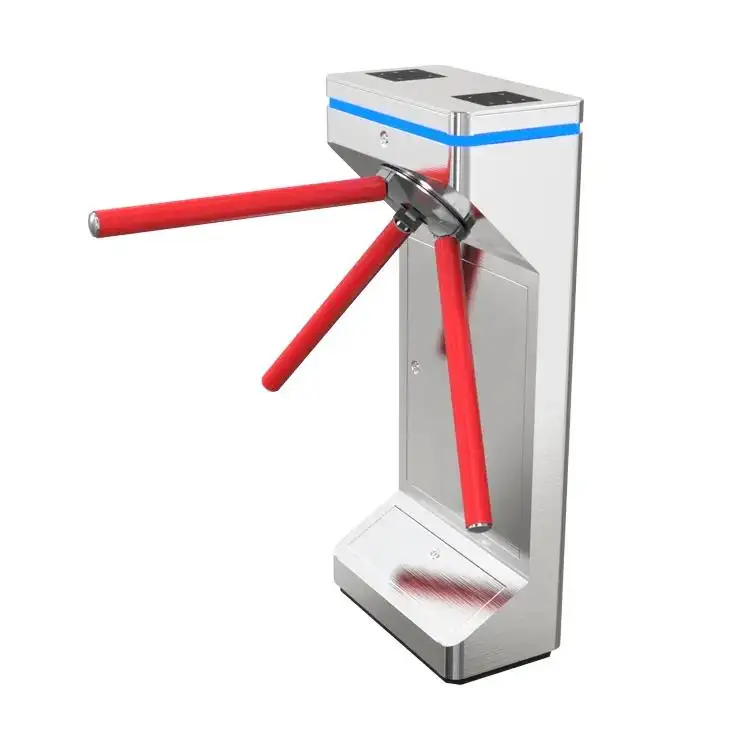
のアンチテールゲート全高改札機 これらの環境のために特別に構築されています. 産業用鋼製構造と電子ロック、フェイルセキュア操作を組み合わせています, 不正アクセスが深刻な運用リスクを伴うあらゆる地域において、最適な選択肢となること.
空港の改札ゲートで注目すべき主な特徴
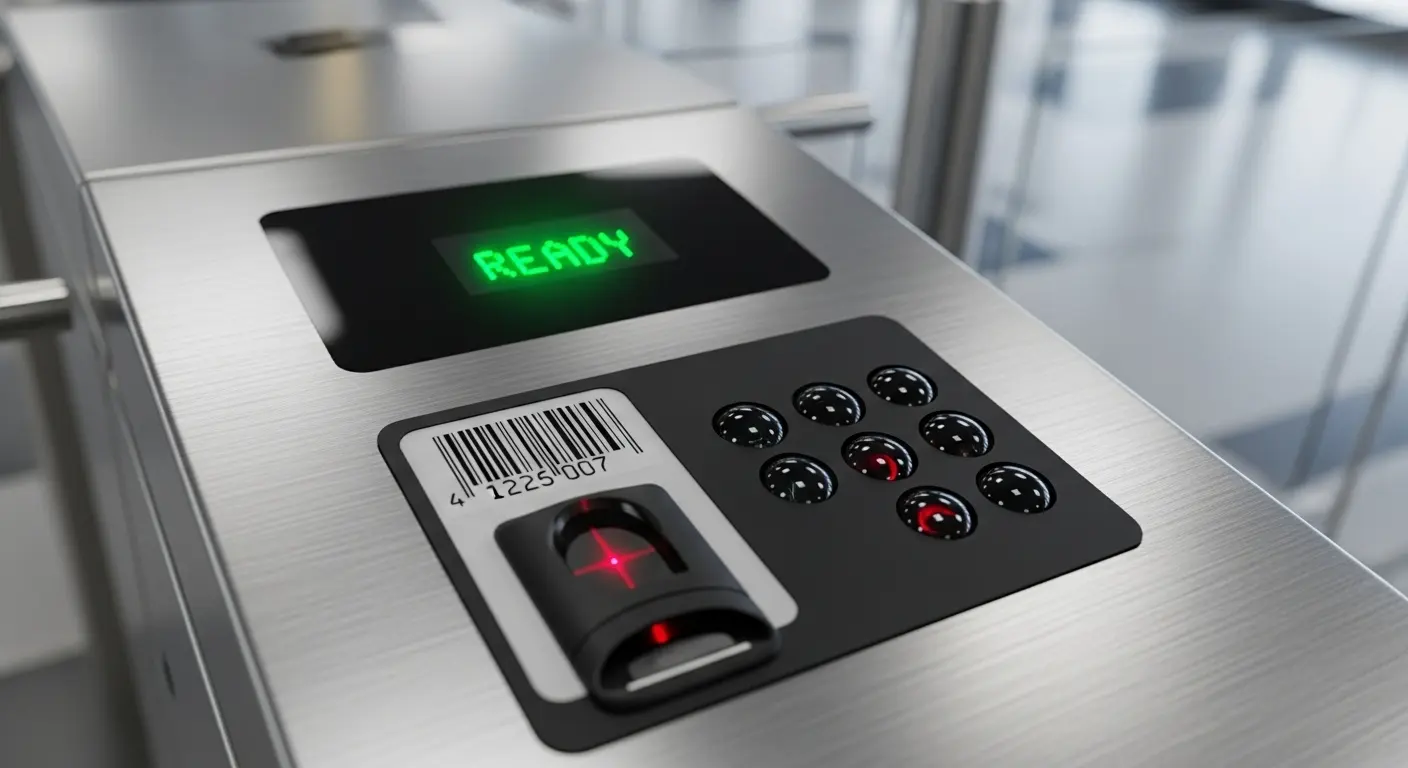
評価する際には空港の改札ゲート, これらの特徴は、空港グレードの製品と標準的な商業用バリアを区別しています.
スループット速度
搭乗ゲート申請用, 最低合格率が 30 1分あたりの人数. フラップバリアとスピードゲートはこのカテゴリーで常にトップです, トップクラスのモデルはそれに到達しています 45 車線あたりの人数.
アンチテールゲーティング検知
単独通行の強制は、いかなる警備された空港ゾーンでも交渉の余地がありません. 最良のシステムは単一ビームセンサーではなくマルチゾーン赤外線アレイを使用します. のアンチテールゲートAB改札ゲート デュアルゾーン赤外線検出を用いて、検問所を突破する前に接近追跡や強制単入通過を検出します.
フェイルセーフ操作
停電や火災報知事態が発生した場合, ゲートは自動的に開く設定にしなければなりません. バッテリーバックアップを探してください, 緊急リリース, およびフェイルセーフのデフォルトオープン構成を標準機能として, オプションではないアップグレード.
レーン幅のオプション
空港の乗客は荷物を運びます. 550mmの通路幅は、乗客向けレーンにおける最低限の通路幅です. 交通量の多いゾーンやアクセシビリティレーンでは、ピーク時のボトルネックを避けるために800mmから900mmの距離を指定すべきです.
騒音レベル
直流ブラシレスモーターは静かに動作し、混雑したターミナル環境で不可欠です. ゲートの騒音はピーク時の出発時間帯に乗客のストレスを増幅させ、ターミナルの体験に悪影響を与えます.
認定
最低でも, CEを探してください, FCC, ISO9001, およびROHS認証. これにより、ゲートが電磁両立要件を満たしていることが確認されます, 安全基準, そして重要な空港インフラに適した品質管理の基準.
スマートテクノロジー: 現代の空港改札ゲートが接続しているもの
基本的な障壁と真の障壁の間のギャップ空港の改札ゲート システムは何に接続するかに尽きます. 現代の空港展開は、ゲートをより広範な技術エコシステムに組み込むものです, 単独のハードウェアとしては.
バーコードおよびQRコード搭乗券のスキャン
乗客はレーンで搭乗券をスキャンします. 門には証明書が読み上げられます, DCSデータベースと照合します, そして. のバーコード改札ゲート 1Dバーコードと2DQRコードの両方のフォーマットに対応しています, 2秒以内に各乗客をクリアする, これは搭乗時間帯のレーンリズムを維持するために非常に重要です.
生体認証
顔認識, 指紋リーダー, 虹彩スキャナー, パームベインリーダーはゲートキャビネットに直接取り付けることも可能です. 入国審査のレーンと厳重なセキュリティ搭乗のために, 生体認証は、渡航書類データベースと本人をリアルタイムで照合します. これにより物理的な書類への依存がなくなり、乗客ごとの処理が大幅に高速化されます.
クラウドベースのゲート管理
あるクラウドベースのターンスタイルゲート プライベートネットワークを介して中央管理プラットフォームに接続. 空港の運営者はゲートの状態を監視できます, プッシュアクセス権限の変更, そして単一のダッシュボードから詳細な通路ログを引き出すことができます. これは複数のターミナルや複数の空港サイトを一つのインターフェースから連携できます.
スタッフ向けのRFIDおよびスマートカードアクセス
スタッフの改札口は通常、RFID認証で運営されます. ゲートを人事システムに接続することで、従業員が役割を変えたり退職したりした際にアクセス権が自動的に更新されます. 実際に, これにより、大規模な空港スタッフ環境におけるセキュリティ脆弱性を生む資格のギャップを埋めることができます.
ゾーンごとのガイド: ゲートタイプと空港の位置のマッチング
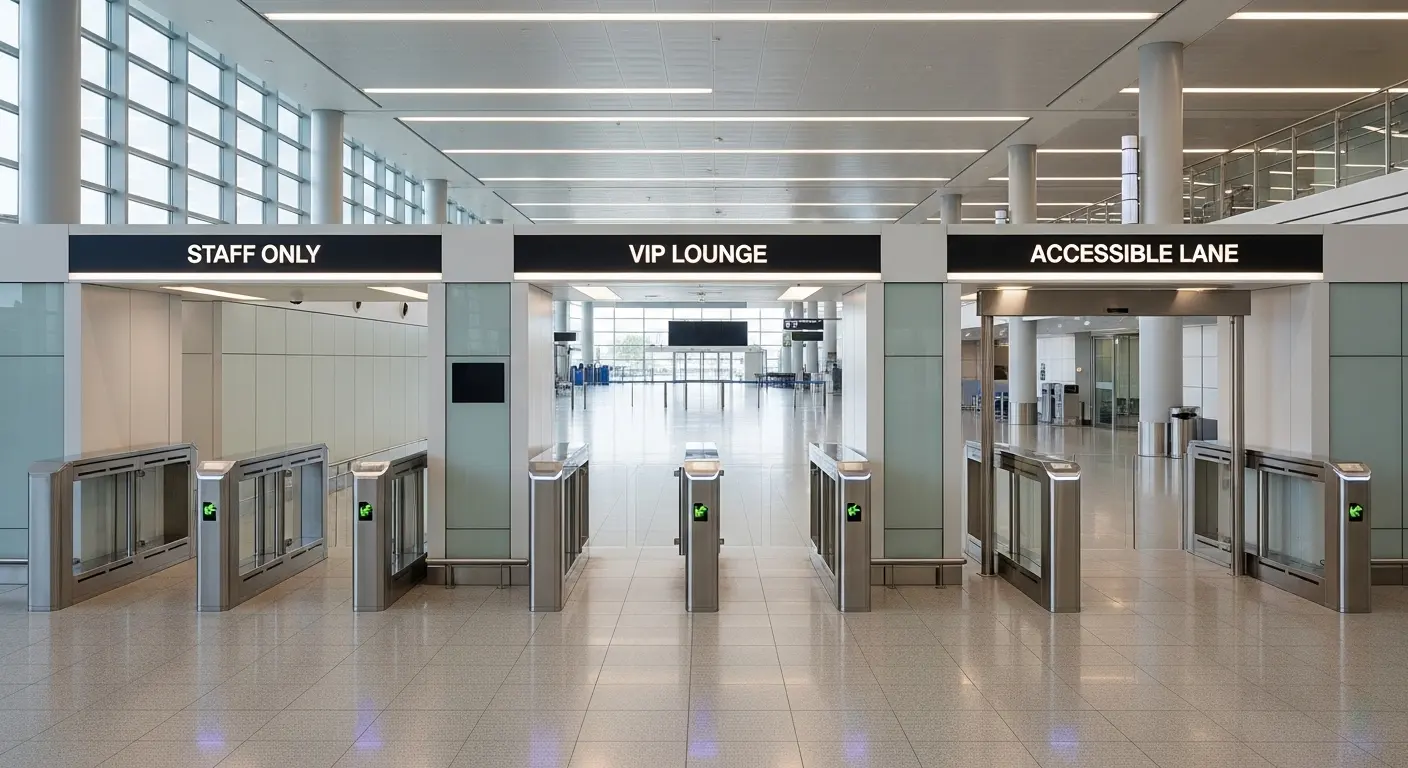
ここで多くの購入者が最大のミスを犯します. 彼らは各空港ゾーンを特定の要件にマッピングするのではなく、単一のゲート仕様に焦点を当てています. この枠組みを出発点として使ってください:
| 空港ゾーン | 推奨ゲートタイプ | 主要な優先事項 |
|---|---|---|
| 搭乗ゲート | フラップバリア / スピードゲート | スループット速度 |
| 移民 / パスポートコントロール | 生体認証リーダー付きeGate | 同一性の正確性 |
| 到着ホール | スピードゲート / スイングゲート | 美観と乗客の流れ |
| VIPラウンジ | ガラススピードゲートまたはスイングゲート | 静かな運転と美観 |
| スタッフ通路 | フルハイトまたはアンチテールゲーティング | 物理的な周囲のセキュリティ |
| アクセス可能 / ADAレーン | 広大車線のスイングゲート (900うん) | コンプライアンスとアクセス性 |
| 貨物および整備エリア | 全高改札機 | 周囲の制御 |
ゲートタイプを超えて, また、システム接続要件の評価も検討します (どのプラットフォームにリンクする必要がありますか?), ピーク時のスループット目標, 環境条件 (屋内対屋内. アウトドア, 気候制御型 vs. 湿潤ターミナル), また、空港がキャビネットの仕上げや寸法に関してブランドや建築上の制約があるかどうかも検討しています.
アイアンマン・ターンスタイルが提供しました空港の改札ゲート 複数の国際プロジェクトにまたがるシステム, カスタムキャビネット寸法付き, 仕上げオプション, および特定の端末仕様に応じたリーダー構成.
空港の改札ゲートを指定する際のよくある誤り
これら4つのミスを避けることで、設置後の運用コストやセキュリティ上の大きな頭痛を節約できます.
単価のみに焦点を当てています. 低コストゲートは連続接続でしばしば故障します 24/7 空港の積載サイクル. 搭乗レーンでゲートが故障すると、即座に乗客管理の問題が生じ、手動処理を強いられます, これは本質的に遅い. ダウンタイムによるライフタイムの運用コストは、安価なユニットによる初期の節約をはるかに上回ります.
システム接続要件を無視する. DCSに接続できないゲート, バイオメトリックプラットフォーム, あるいはアクセス制御システムが解決策でない. これは手動で車線全体の速度を落とし、自動アクセス制御の目的を損なう回避策を生み出します. 購入前に必ずプロトコルの互換性を確認してください.
車線幅の過小評価. オフィスビルには標準的な商業幅550mmが適用されます. 空港で, 乗客は機内持ち込み荷物を持ち帰ります, バックパック, 時にはベビーカーも使います. 主要な乗客向けゾーンには800mmから900mmのレーンを基準に指定してください, アップグレードではありません.
アンチテールゲーティング仕様の省略. 大量生産環境において, 適切なマルチセンサー検出がなければ、テールゲーティングはほぼ確実に起こります. 単一ビームセンサーでは空港レベルのセキュリティには不十分です. 仕様書の標準項目としてデュアルゾーンまたはマルチビーム赤外線を義務付けてください.
FAQ: 空港改札ゲート
空港の改札ゲートとは何か、そしてどこで使われているのか?
ひとつの空港の改札ゲート 乗車ゲートで使用される電動歩行者アクセス制御バリアです, 移民検問所, 到着ホール, スタッフ通路, 空港内の制限区域. 認証情報の検証を行います (バーコード, バイオ メトリック, またはRFID(RFID)) そして、一度に一人ずつの出入りを制御します, 航空会社およびセキュリティITシステムに直接接続.
搭乗エリアに最適な空港のターンスタイルゲートはどのようなものですか??
搭乗レーンにはフラップバリア式の改札口やスピードゲートが最も効果的です. 両者ともスループットレートは 30 宛先 45 1レーンあたりの人数、搭乗券バーコードおよびQRコードの直接スキャン. パネルの応答速度が速く、ピーク時の搭乗ラッシュでもレーンリズムを安定させています.
空港の改札ゲートは生体認証システムと接続できますか?
はい. 最も近代的なもの空港の改札ゲート モデルは顔認識に対応しています, 指紋, 虹彩, およびパーム・ヴェイン・リーダーズ, 内蔵モジュールとしても、またはアドオンの周辺機器としても利用できます. 彼らは航空会社のDCSや入国管理のデータベースと連携し、リアルタイムで本人確認が可能です, 手動の書類チェックの必要性を排除します.
空港の改札機ゲートレーンはどのくらい幅にすべきか?
一般乗客と機内持ち込み手荷物の利用, 推奨レーンの最小幅は550mmです. アクセシビリティレーン, 主な搭乗ゾーン, 到着通路は荷物を支えるために800mmから900mmの構成を指定する必要があります, ベビーカー, 車椅子, そしてボトルネックを生まない移動補助具.
空港の改札ゲートにはどのような認証が必要です?
CEを探す, FCC, ISO9001, 最低基準としてのROHS認証. これにより、ゲートが電磁両立要件を満たしていることが確認されます, 国際安全基準, および重要な空港インフラに適した品質管理基準. アイアンマンターンスタイル製品は4つの認証すべてを備えています.
